








- Psalmody: Isaiah 48:20b; Psalm 66:1–2; Liturgical Text; 1 Corinthians 5:7b, 5:8a, c; Psalm 66:8–9, 20; Psalm 96:2
- Lection: Numbers 21:4–9; James 1:22–27; John 16:23b–30
In the Name of the Father and of the ✠ Son and of the Holy Spirit. Amen.
No one has ascended to heaven but He who came down from heaven, that is, the Son of Man who is in heaven. And as Moses lifted up the serpent in the wilderness, even so must the Son of Man be lifted up, that whoever believes in Him should not perish but have eternal life. These words from the mouth of Christ teach us what He said elsewhere also to be true: You search the Scriptures, for in them you think you have eternal life; and these are they which testify of Me. The account of Moses lifting up the serpent in the wilderness in Numbers 21 testifies about Jesus, our discouragement under His merciful rule, His healthy chastisement of us, and His gracious, steadfast, boundless love. We also learn from the bronze serpent how He intends to bestow His grace upon us that we may lay down our heads in peaceful rest every eventide.
When last we spoke of the children of Israel in the wilderness, we joined them but a short while after their deliverance by the Red Sea waters when the whole congregation…complained against Moses and Aaron. We rejoin them this morning nearly 40 years later, after the majority of their wandering was now behind them, though they were yet to know this, and we hear that the people became very discouraged and spoke against God and against Moses: “Why have you brought us up out of Egypt to die in the wilderness? For there is no food and no water, and our soul loathes this worthless bread.” Isn’t this so like us, being so dissatisfied with the Lord’s provision that we both complain about what we don’t have while confessing that God has provided for that need in the very same breath? Moses records their irony to reveal to us our own. The words of the people reveal our absurdity when we fret so anxiously right in the face of God’s constant goodness. Our trek toward the promised land of bliss is not promised to be void of trial, affliction, and trying times. The opposite is true, and needs, for our sake, to remain true, for our hearts spur our tongues to swift speech against God. He knows what He is doing in each of our lives and has the course plotted. Yea, we shall traverse, we shall descend into valleys, but never without Him leading, never without Him desiring to cause us to trust His leading more everyday.
But we’re stubborn, pampered, and selfish in our thoughts and desires and in constant need of correction. So the LORD sent fiery serpents among the people, and they bit the people; and many of the people of Israel died. The Lord’s chastisement of those whom He loves, of those who bear His Name, can grow quite intense, thankfully, for it shows His love and care. Yes, if the Lord must bring about physical death that our faith might be preserved, give Him thanks and praise that He wills to deliver us unto Himself for all eternity at the expense of deep suffering in this life that is but for a little while. He knows that this life requires a well-calloused faith all throughout; one grown well-used to being exercised and not couch-ridden; one that has labored and toiled in all of life’s decisions; one that is a regular, daily tool, measure, and guide. Just as He allowed Satan to afflict righteous Job, so do we know that all things work together for good to them that love God, to them who are the called according to his purpose.
And in God’s affliction of the children of Israel, we see His desired healthy response being stirred within: Therefore the people came to Moses, and said, “We have sinned, for we have spoken against the LORD and against you; pray to the LORD that He take away the serpents from us.” The Lord desires contrition over our sins. He desires that we confess to Him that which has defiled our hearts and minds. To come clean. To be honest. To cast light into dark corners of the heart. For, by such contrition and confession are we then likely to seek His face for merciful relief. By such, we are likely to treat Him properly as God by both seeing that from Him alone does every good gift come and that it is meet, right, and salutary to seek Him alone for such good things. That’s treating God as God. Having Him in such a position in the heart is the keeping of the first commandment, and above all others, may we ever strive to uphold that one, for all others flow from it!
The children of Israel, and all the children of God, do well when they ask to be prayed for. The people approached the one called among them to lead them in the way of Christ. They asked Moses to pray and he did. The Lord listens to the prayers of His servants. It is good that at the Lord’s command, I, as a called and ordained servant of the Word, stand at His altar lifting up holy hands on your behalf. It is good that I pray for you when you tell me the concerns of this life that weigh upon you. It is good that you seek to be prayed for in the midst of your Lord’s chastisement and affliction, for your good does He seek and your good He delivers by very sure means.
Notice how the Lord’s grace comes in response to His servant Moses’ prayer. Then the LORD said to Moses, “Make a fiery serpent, and set it on a pole; and it shall be that everyone who is bitten, when he looks at it, shall live.” So Moses made a bronze serpent, and put it on a pole; and so it was, if a serpent had bitten anyone, when he looked at the bronze serpent, he lived. Testified to here is a fundamental reality of how God operates in His kingdom; a joyous, certain reality that is unfortunately despised by most of American Christianity today, which believes that the grace of God is somehow floating about in the air only to be captured by the sincerity of the heart that desires it. No, God has given us concrete, objective means that factor out the uncertainty that plagues even redeemed hearts.
The fiery serpents brought sure death upon all who were bitten in the wilderness, just as the old crafty serpent brought death to us all through the fall into sin. That bite have we all received and sure death and damnation await. From such has God promised to deliver us, just as His promise was given for the people in response to Moses’ prayer. It is no floaty-about, hope-to-catch-it-like-a-butterfly promise that is gained by their, or our, good use of net, speed, and dedication of heart. God’s promise for the serpent-bitten was attached to a tangible means of grace: a bronze serpent, hoisted upon wood, fashioned in the likeness of the very cause of death among the people. By itself, it was worthless, and no help. But with the word of God, the object of death became a life-giving serpent, rich in grace, according to God’s promise that everyone who is bitten, when he looks at it, shall live.
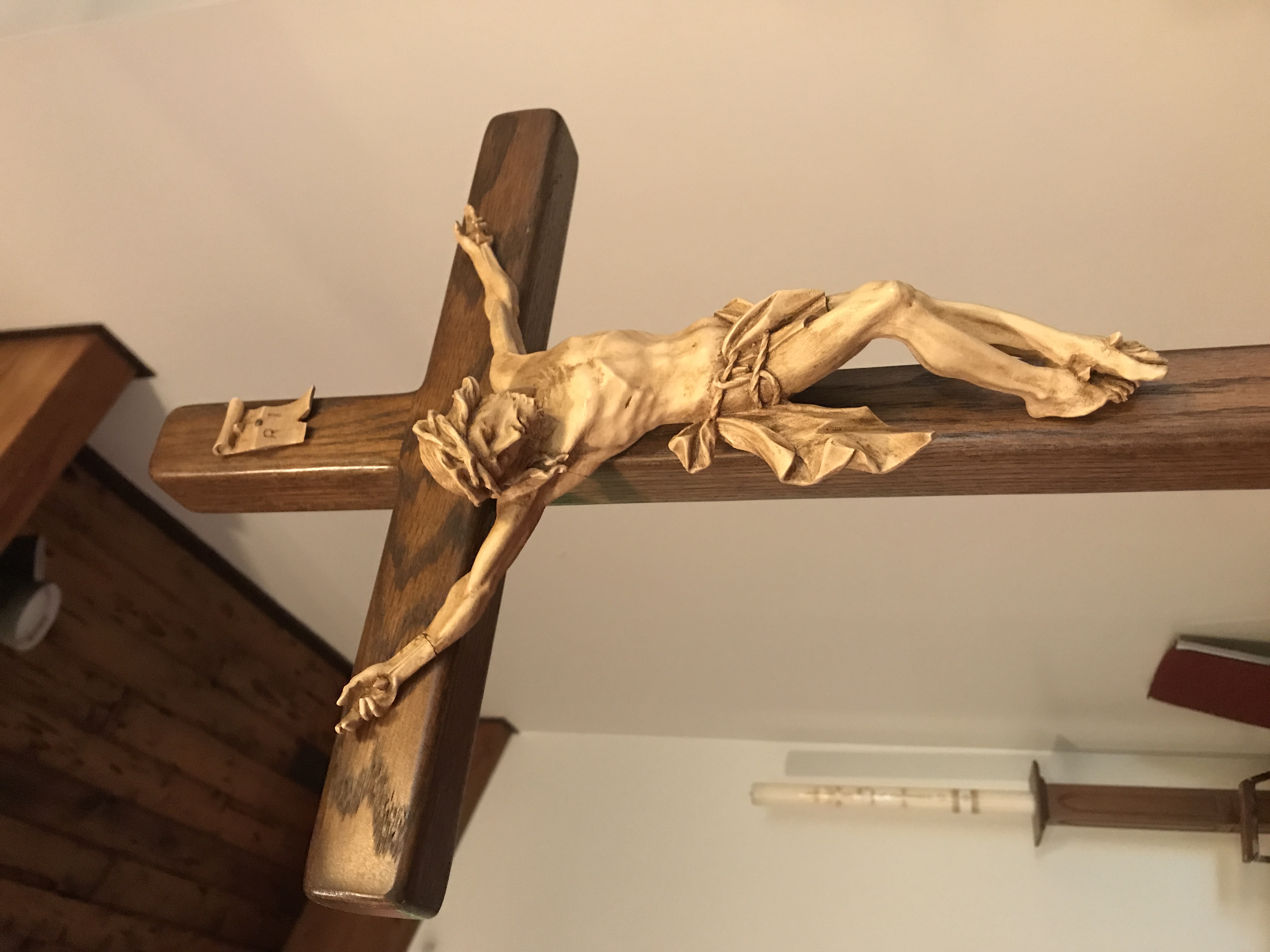
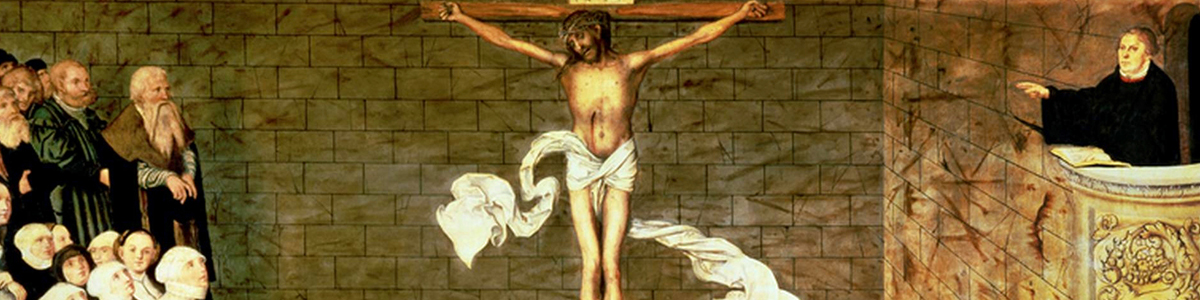
Moses, the prophet of God, was lifting up Christ in the wilderness, for the bronze serpent was an image of Him Who was to come. [A]s Moses lifted up the serpent in the wilderness, even so must the Son of Man be lifted up. When we look upon the crucifixion of our Lord Jesus Christ, there we see the image of death, just as the serpent was to the children of Israel in the wilderness. But there within the Lamb’s holy bosom rested God’s promise of Life that would pour forth at the spear’s rending. We can only look upon crucifixes depicting that glorious promise of the sins of the world paid for. Yet they are not the promised means of grace for us suffering from death in the wilderness. The promise finished upon the cross now comes to us in the objective means that the One lifted up promised and instituted, namely the Holy Sacraments. Everyone who is bitten by the curse of sin and death, when he looks at Christ through means of Holy Baptism and the Lord’s Supper, shall live. He shall live because it is in Baptism that God’s promise is with the water, making the plain water life-giving, a putting on of Christ, rich in grace, and a washing of the new birth in the Holy Spirit. He shall live, because it is in the Lord’s Supper that God’s promise of Body given and Blood shed for you for the forgiveness of sins is in what is simple bread and wine no more. The sin-sickened, deathbound soul looks upon Christ lifted-up by the blessed means of objectively being washed with water in the name of the Father and of the Son and of the Holy Spirit. It looks upon Christ lifted-up by the blessed means of objectively receiving into the person the very Person of Christ the Son of God, Who Himself was lifted up out of the earth on the Third Day, that He might draw all men to Himself in sure life delivered by His most certain and glorious means of grace. As we ebb and flow in complaint, chastisement, and repentance, let us ever seek to look upon the One lifted up for us to see in the grace most certainly given in His instituted means of Holy Baptism and Communion. Don’t die but live by looking always to these promise-filled gifts!
In ✠ Jesus’ Name. Amen.
Comments are closed, but trackbacks and pingbacks are open.